A Legacy in Every Scoop: A Century of Learn by Doing

The Cal Poly Creamery is one of the oldest operations at the university, serving as a teaching and research laboratory for Cal Poly students for more than a century. Established in 1903, just two years after Cal Poly was established, the Creamery has long embodied the university's Learn by Doing philosophy, giving students the opportunity to transform fresh milk from the university's dairy herd into products enjoyed by generations of Mustangs, visitors and the community.
From its earliest days, students learned every step of the production process, from caring for dairy cows and collecting milk to crafting butter, cheese and ice cream. What began as a small teaching facility has grown into a modern, state-licensed dairy processing operation that continues to prepare students for careers in food science and the dairy industry.
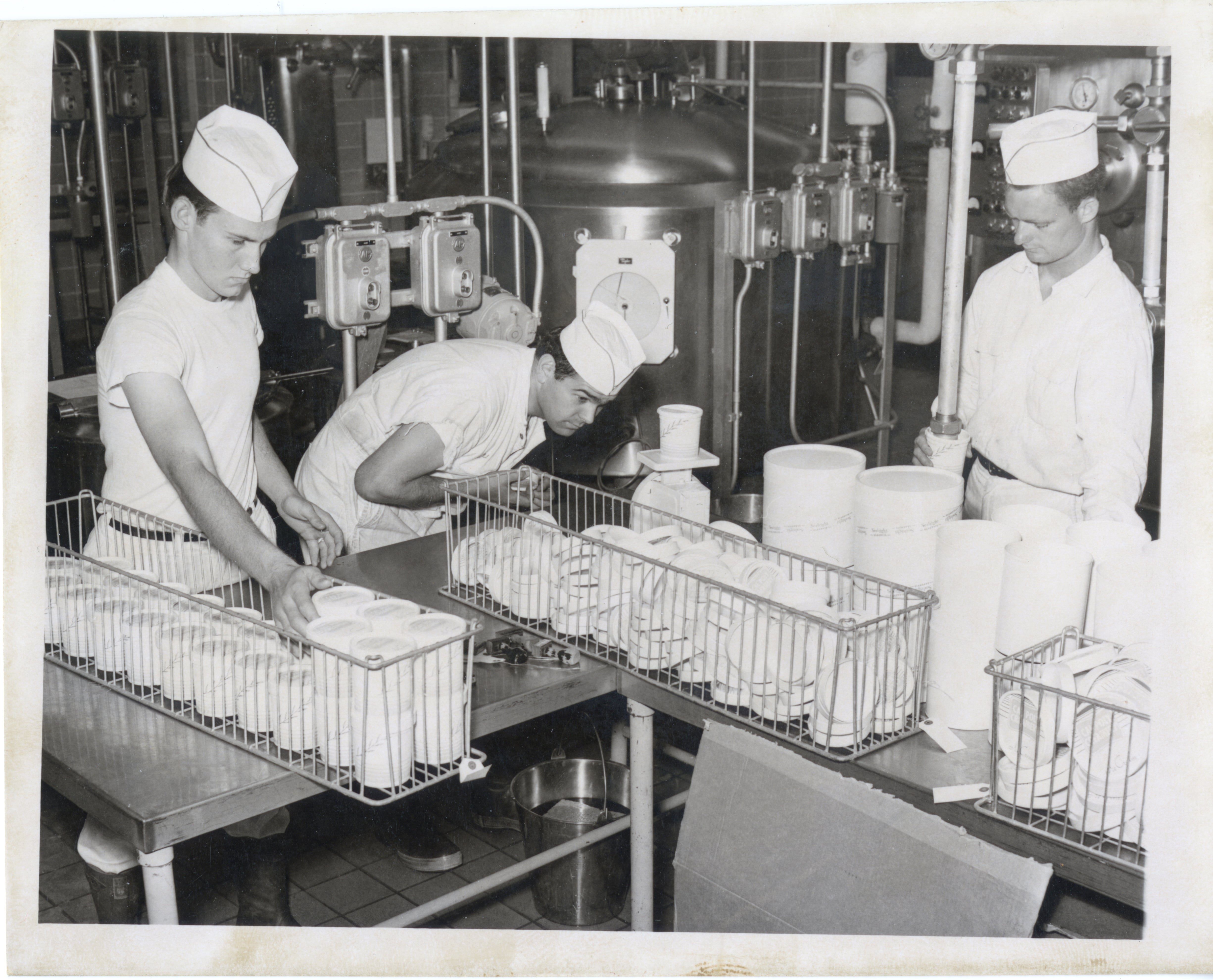
The first Creamery building was built in 1905, but the needs of students quickly outgrew its capacity. In 1909, a spacious new creamery was completed at the east end of campus, approximately where the Dexter Building stands today. The facility was outfitted with equipment for butter and cheesemaking, refrigerator rooms, an ice machine, classrooms, a laboratory and a reading room. Students produced milk and cheese for the campus cafeteria while gaining practical experience in dairy production.
The Creamery's story is one of resilience. In the 1920s, growing enrollment and budget constraints forced the university to close the original facility and convert the building into student housing. Yet the program endured. Following World War II, renewed demand for dairy manufacturing led to the Creamery's revival, and by 1949, students were once again producing milk, cheese and ice cream for the campus community. Over the decades, the Creamery adapted through multiple relocations before finding its permanent home at the Dairy Unit in 1996. Even during the challenges of the COVID-19 pandemic, it continued to evolve, launching its now-beloved Friday drive-thru in 2020 – a tradition that remains a favorite among locals, alumni and visitors passing through.
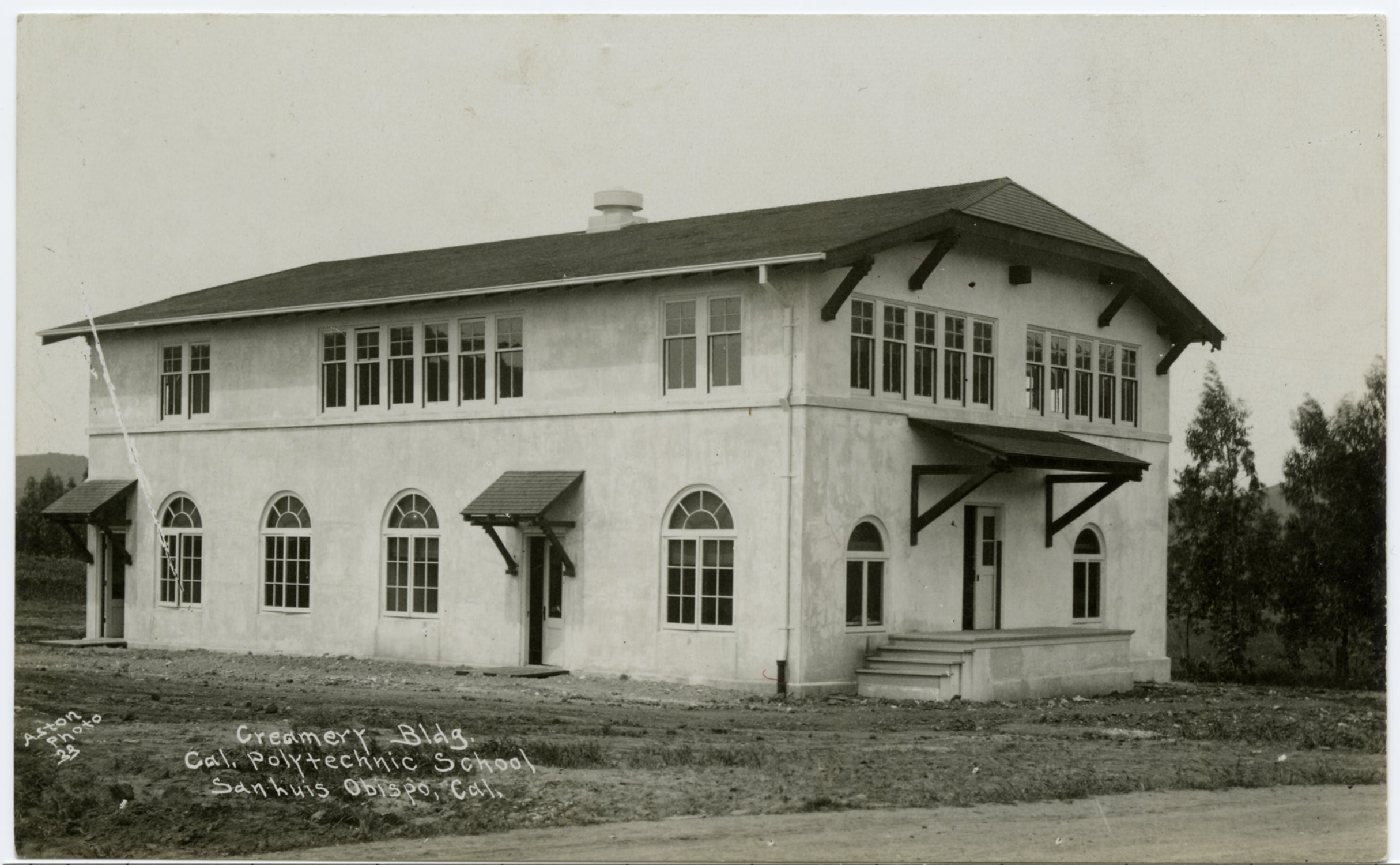
While the program has evolved over the decades, the mission remains the same: to provide a hands-on education to students while producing high-quality dairy products. Students gain experience in production, food safety, quality control, packaging and marketing. For alumni returning to campus and those visiting for the first time, a stop at the Creamery is more than a chance to enjoy a scoop of ice cream. It's a reminder that some of Cal Poly's greatest traditions are built on student learning and creating something lasting – one batch at a time.
Celebrate 125 Years of Learn by Doing
Join fellow alumni, students, faculty and friends as the Cal Poly College of Agriculture, Food and Environmental Sciences celebrates its 125th anniversary on Nov. 13-14, 2026. The two-day celebration will honor a century and a quarter of innovation, hands-on learning and the people who have shaped the college's legacy while looking ahead to its next chapter. Find 125th anniversary event updates and registration information and join us in celebrating the Learn by Doing legacy.
Visit Cultivate Summer 2026 to read more stories.


